New Brighton Lifeboat Station


| Inshore Lifeboat | |
|---|---|
| Launch Method | A85 Carriage |
| Address | Kings Parade, New Brighton, Wirral, CH45 2JX |
| Telephone | 0151 639 8000 |

Explore two centuries of RNLI lifeboat history, heroic rescues, and the enduring tradition of saving lives at sea.
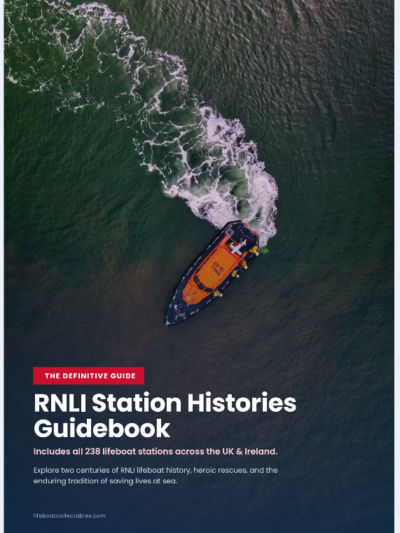
At the mouth of the River Mersey on the north-east corner of the Wirral, New Brighton runs a fast Atlantic 85, covering the busy approaches to the Port of Liverpool and the sands of the peninsula. A lifeboat has served this corner of the Mersey since 1827, and the station’s crews have earned a remarkable record of gallantry — including Gold Medals from two foreign governments.
A lifeboat was first placed at Magazine village in 1827 by the Liverpool Dock Trustees, ideally sited to cover the mouth of the Mersey. After a public meeting in Liverpool in 1862 — at which it was argued a New Brighton boat could reach wrecks far sooner than the Liverpool boats — the RNLI established the station in 1863.
For a time New Brighton ran two, even three, lifeboats, including two remarkable 50- and 60-foot steam lifeboats from the 1890s, the Duke of Northumberland and the Queen, which used water-jet propulsion more than a century before the Shannon class. The crews won Silver Medals for great Mersey rescues — among them the American ship John H. Elliot (55 saved).
The all-weather lifeboat was withdrawn in 1973 in favour of a fast inshore lifeboat. New Brighton now runs an Atlantic 85, the Charles Dibdin; in July 2020 Helm Michael Stannard received the Bronze Medal for a challenging rescue, presented at St James’s Palace.