Tenby Lifeboat Station



| All-Weather Lifeboat | |
|---|---|
| Inshore Lifeboat | |
| Launch Method | Slipway |
| Address | Castle Square, Tenby, Pembrokeshire, SA70 7BS |
| Telephone | 01834 842197 |

Explore two centuries of RNLI lifeboat history, heroic rescues, and the enduring tradition of saving lives at sea.
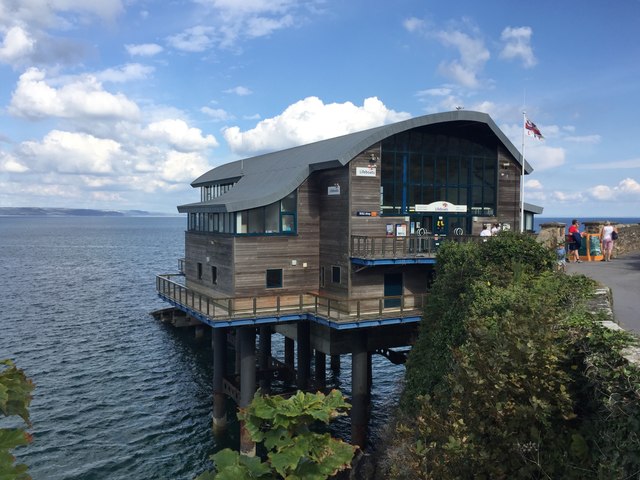
From a slipway beneath Castle Hill in the walled resort of Tenby, on the west of Carmarthen Bay, the station runs a Tamar-class all-weather lifeboat and a D-class — one of the busiest stations in the UK. A lifeboat has served Tenby since 1852, and its crews hold fifteen gallantry medals.
A lifeboat station was established at Tenby in 1852 by the Shipwrecked Fishermen and Mariners’ Royal Benevolent Society, passing to the RNLI in 1854. The Institution built a station beside Castle Beach in 1862, and in 1905 a landmark boathouse and slipway on the north side of Castle Hill, which served for a century.
During the nineteenth century six Silver Medals were awarded at Tenby for rescues off the coast. The station’s record continued into the modern era: in a ‘terrific gale’ in January 1906 the lifeboat rescued the crews of two ketches in a single call-out, and in 1953 she saved seven men from the St Govan’s lightship as a storm threatened to overwhelm it.
A first motor lifeboat came in 1923 and a D-class from 1972. In 2006 Tenby received the Haydn Miller, the UK’s first operational Tamar-class lifeboat, housed in a new £6.5m boathouse and slipway. Working a busy holiday coast around Caldey Island and Carmarthen Bay, the station is among the busiest in the country, the D-class doing much of the inshore work.