St Agnes Lifeboat Station

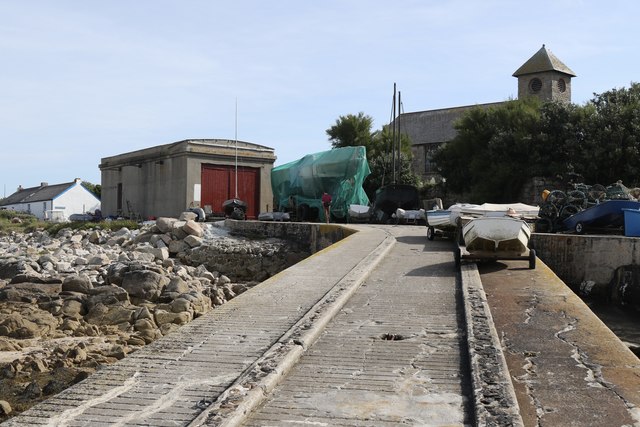

| Inshore Lifeboat | |
|---|---|
| Launch Method | Carriage |
| Address | Trevaunance Cove, Quay Road, St Agnes, Cornwall, TR5 0RY |
| Telephone | 01872 553987 |

Explore two centuries of RNLI lifeboat history, heroic rescues, and the enduring tradition of saving lives at sea.
At Trevaunance Cove on the rugged north coast of Cornwall, St Agnes runs a single D-class inshore lifeboat, covering the cliffs and surf beaches between Perranporth and Portreath. Established in 1968 with a boat funded by the BBC’s Blue Peter appeal, it has answered this exposed Atlantic shore — popular with surfers and walkers — for more than half a century.
As the RNLI extended inshore-lifeboat cover around the Cornish coast in the 1960s, a station was established at St Agnes in 1968, based at Trevaunance Cove. Its first D-class inflatable was one of several lifeboats paid for by viewers of the BBC children’s programme Blue Peter, whose 1966 appeal collected paperback books for the fund; the St Agnes boats were named Blue Peter IV and carried that name until 2015.
A small boathouse was provided on the road down to the cove, and in 2004 a house higher up the road was converted for crew facilities and fundraising. The Duke of Kent, as President of the RNLI, visited the station in 1978 and again in 2005.
St Agnes covers a demanding stretch of the north Cornish coast — high cliffs, hidden caves and powerful Atlantic surf between Perran Sands and Portreath — where bathers, surfers and coasteerers regularly get into difficulty. In 1977 the crew were honoured with the Ralph Glister Award for the bravest inshore-lifeboat rescue of the year. The station’s current D-class, the XKalibur, continues that close-in, fast-response work along a coast where conditions can change in minutes.