Lytham St Annes Lifeboat Station
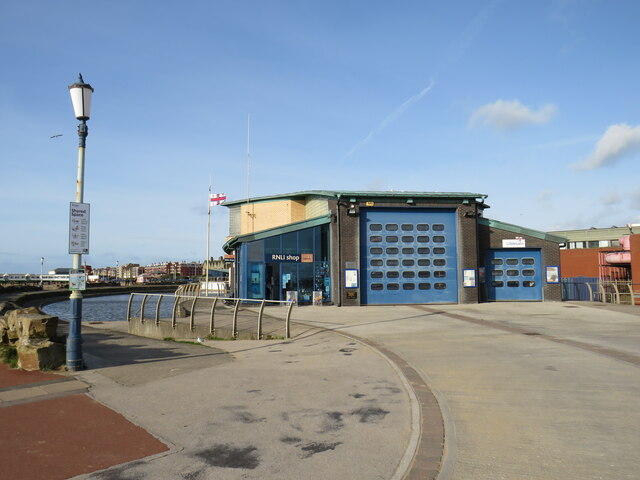
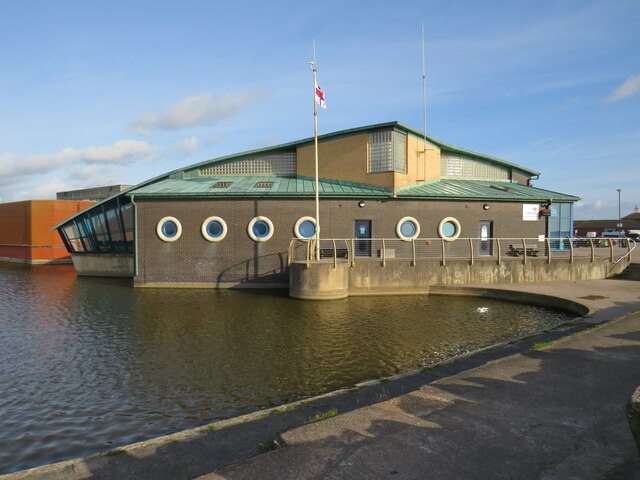


| All-Weather Lifeboat | |
|---|---|
| Inshore Lifeboat | |
| Launch Method | SLARS |
| Address | South Promenade, St Annes, Lytham St Annes, Lancashire, FY8 1LU |
| Telephone | 01253 714900 |

Explore two centuries of RNLI lifeboat history, heroic rescues, and the enduring tradition of saving lives at sea.
On the Fylde coast at the mouth of the Ribble estuary, Lytham St Annes runs a Shannon-class all-weather lifeboat from St Annes and a D-class from Lytham. The station carries the memory of the 1886 Mexico disaster — the worst loss of life in the RNLI’s history — and its crews hold nine gallantry medals.
A lifeboat was first placed at Lytham in 1851 by the Shipwrecked Fishermen and Mariners’ Royal Benevolent Society, passing to the RNLI in 1854; a separate St Annes station followed in 1881. The two RNLI branches amalgamated on 12 March 1931 to form Lytham St Annes.
The defining event came on the night of 9–10 December 1886, when the barque Mexico was wrecked in the Ribble estuary. Lifeboats launched from Lytham, St Annes and Southport; the Lytham boat Charles Biggs saved all twelve of the Mexico’s crew, but the St Annes and Southport boats capsized with the loss of 27 of their 29 men — the greatest loss of life in RNLI history. The tragedy led Sir Charles Macara to found the Lifeboat Saturday Fund, and with it the first charity street collections.
The station’s crews continued to distinguish themselves. Today it runs the Shannon-class Barbara Anne from South Promenade and a D-class from Lytham.