Barry Dock Lifeboat Station


| All-Weather Lifeboat | |
|---|---|
| Inshore Lifeboat | |
| Launch Method | Moored afloat |
| Address | The Pierhead Buildings, The Outer Harbour, Barry Dock, Vale of Glamorgan, CF62 5QS |
| Telephone | 01446 735678 |

Explore two centuries of RNLI lifeboat history, heroic rescues, and the enduring tradition of saving lives at sea.
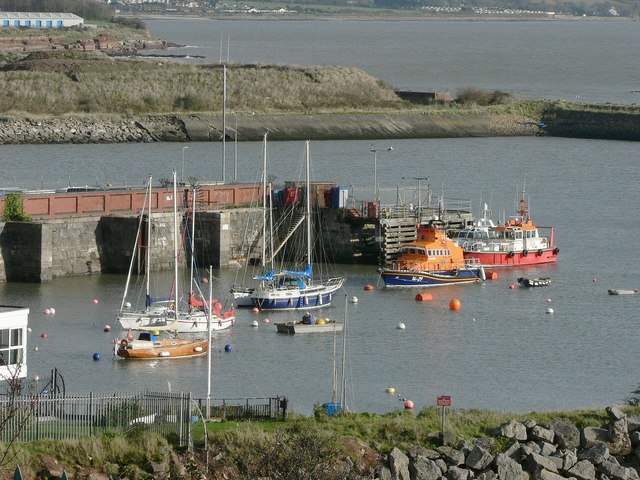
From the Outer Harbour at Barry Dock, this is the principal all-weather station for the upper Bristol Channel, running a Shannon-class lifeboat moored afloat and a D-class. Established in 1901, it covers a vast area — both the Welsh and English shores from Sharpness to Foreland Point — and its crews hold twelve gallantry medals, including a Gold.
A lifeboat station was opened at Barry Dock in 1901, with a boathouse and slipway costing £2,300 and a first lifeboat, the Watson-class John Wesley. Sited at a busy coal-exporting dock on a channel of huge tidal range, the station took on responsibility for a long stretch of the Bristol Channel on both the Welsh and English coasts.
Its crews built a distinguished record. In 1907 a Gold Medal and a Silver were awarded for a shore-boat rescue of the yacht Firefly; in 1935 a Silver and seven Bronze Medals followed for the French schooner Goeland; and a further Bronze came in 1941.
Motor lifeboats served through the twentieth century — the Prince David, Rachel and Mary Evans and others — and in 2023 the crew moved into a new purpose-built station. In 2024 Barry Dock received a Shannon-class lifeboat, the Richard and Caroline Colton II, funded by an extraordinary legacy, replacing a Trent-class boat. Both lifeboats lie at a floating pontoon that copes with the channel’s tides. From here the crew range across the whole upper Bristol Channel, supported by seven flanking inshore stations.