Ballyglass Lifeboat Station

| All-Weather Lifeboat | |
|---|---|
| Inshore Lifeboat | |
| Launch Method | Afloat |
| Address | Ballyglass Pier, Mullet Peninsula, County Mayo, Ireland |
| Telephone | 097 82072 |

Explore two centuries of RNLI lifeboat history, heroic rescues, and the enduring tradition of saving lives at sea.
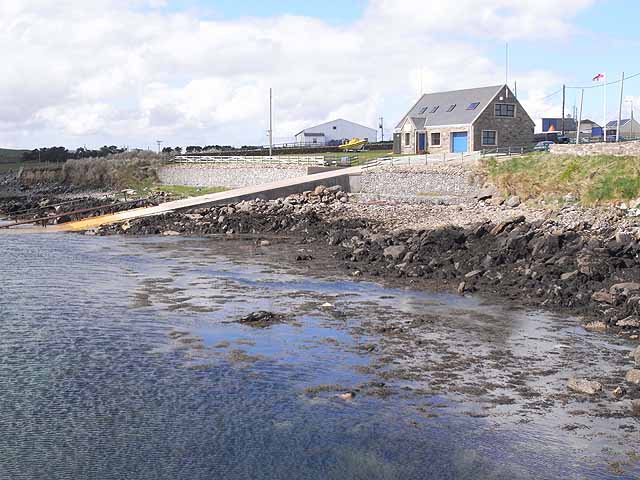
Ballyglass Lifeboat Station stands on the remote Mullet Peninsula in north County Mayo, looking out over Broadhaven Bay and the wild Atlantic coast of north-west Ireland. Established in 1989, it was the first new offshore lifeboat station on the west coast for over 60 years, created to close a long gap in all-weather cover. The station operates a Severn-class all-weather lifeboat from Ballyglass Pier and a D-class inshore lifeboat from nearby Belmullet.
For much of the 20th century there was no offshore lifeboat between Galway Bay and Arranmore, leaving a vast stretch of the exposed north-west coast without all-weather cover. To close that gap, the RNLI established a station at Ballyglass, on the east shore of the Mullet Peninsula, in 1989 — the first new offshore station on the west coast of Ireland since 1927. An all-weather lifeboat was placed on a mooring at Ballyglass Pier, in the shelter of Broadhaven Bay. In 1998 the station received the Severn-class lifeboat 17-15 Bryan and Gordon, the largest in the RNLI fleet, giving it the range to work far out into the Atlantic. A D-class inshore lifeboat, Clann Lir (D-823), was added in 2018, operating from a separate base at Belmullet and able to launch into either Broadhaven or Blacksod Bay. From this remote corner of Mayo the crews cover some of the most exposed waters in Ireland.