Aith Lifeboat Station
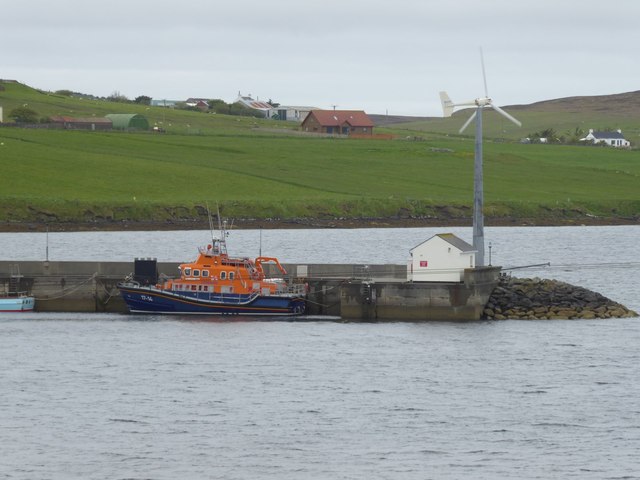


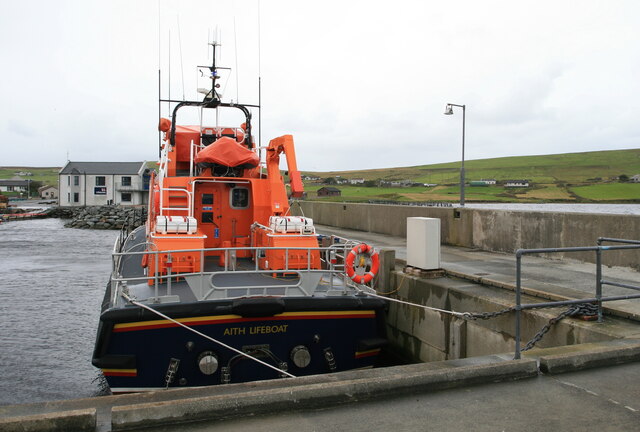
| All-Weather Lifeboat | |
|---|---|
| Launch Method | Moored afloat |
| Address | Aith, Shetland, ZE2 9ND |
| Telephone | 01595 810276 |

Explore two centuries of RNLI lifeboat history, heroic rescues, and the enduring tradition of saving lives at sea.
From the village of Aith, at the head of Aith Voe on the west side of Shetland, comes the most northerly lifeboat station in the United Kingdom. Its Severn-class all-weather lifeboat covers a vast, exposed Atlantic coast where services routinely last ten hours or more. The station was established in 1933.
The loss of the trawler Ben Doran on the Ve Skerries in 1930 showed that Lerwick alone could not cover Shetland’s wild west coast, and the RNLI established a station at Aith in 1933 — the most northerly in the British Isles, lying above latitude 60° north, where the voe can freeze thick enough to mark the lifeboat’s hull.
The station’s gallantry medal came in 1967, when Coxswain John Nicolson took the lifeboat in the dark through an uncharted channel among the rocks and skerries to reach the Aberdeen trawler Juniper, aground in Lyra Sound near Papa Stour, and brought off twelve men in a south-easterly gale.
Just to reach the open sea from Aith is a five-mile passage. The station has run the Severn-class Charles Lidbury since 1998.