








Description
RNLI’s first cork lifejackets invented in 1854
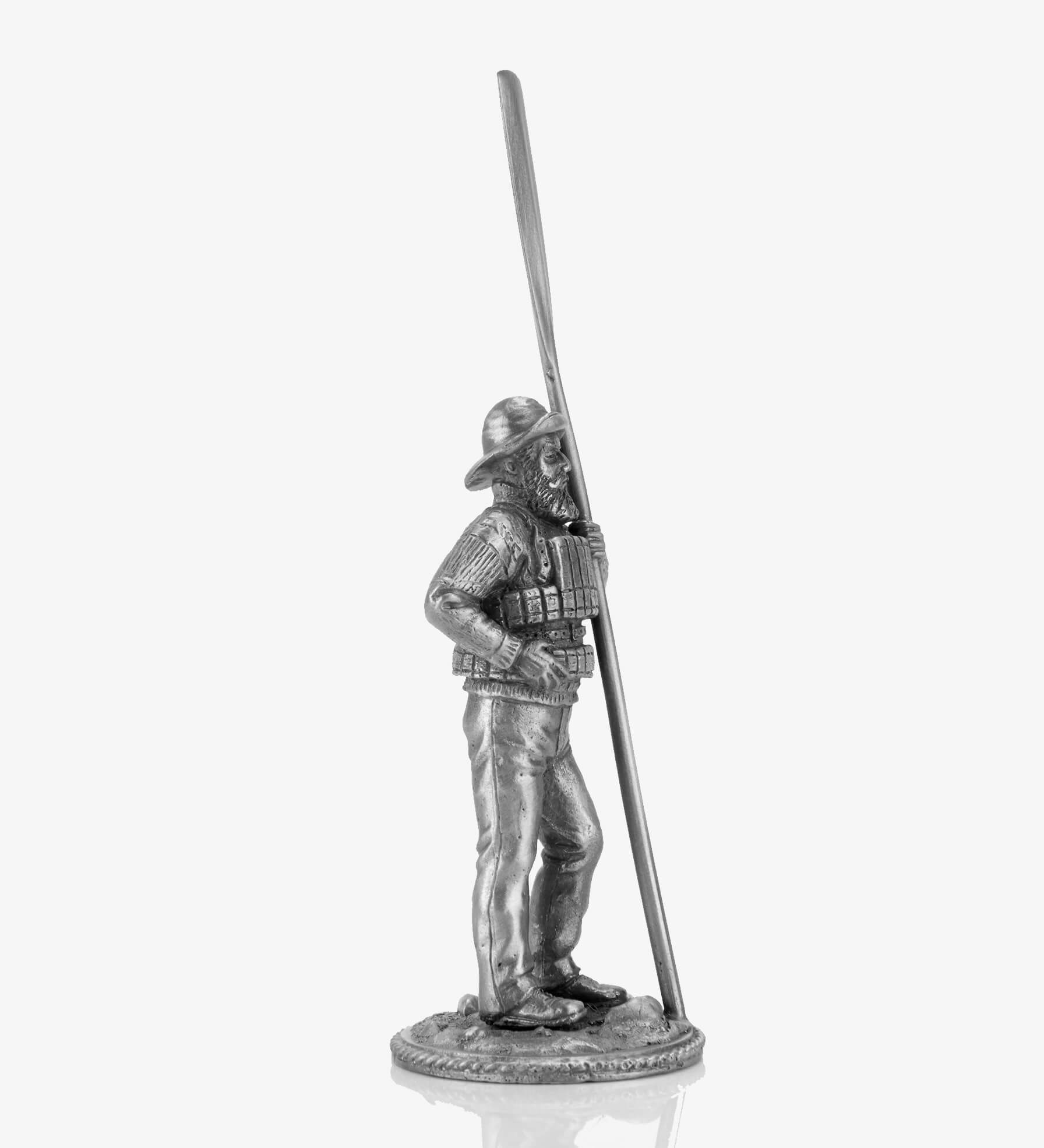
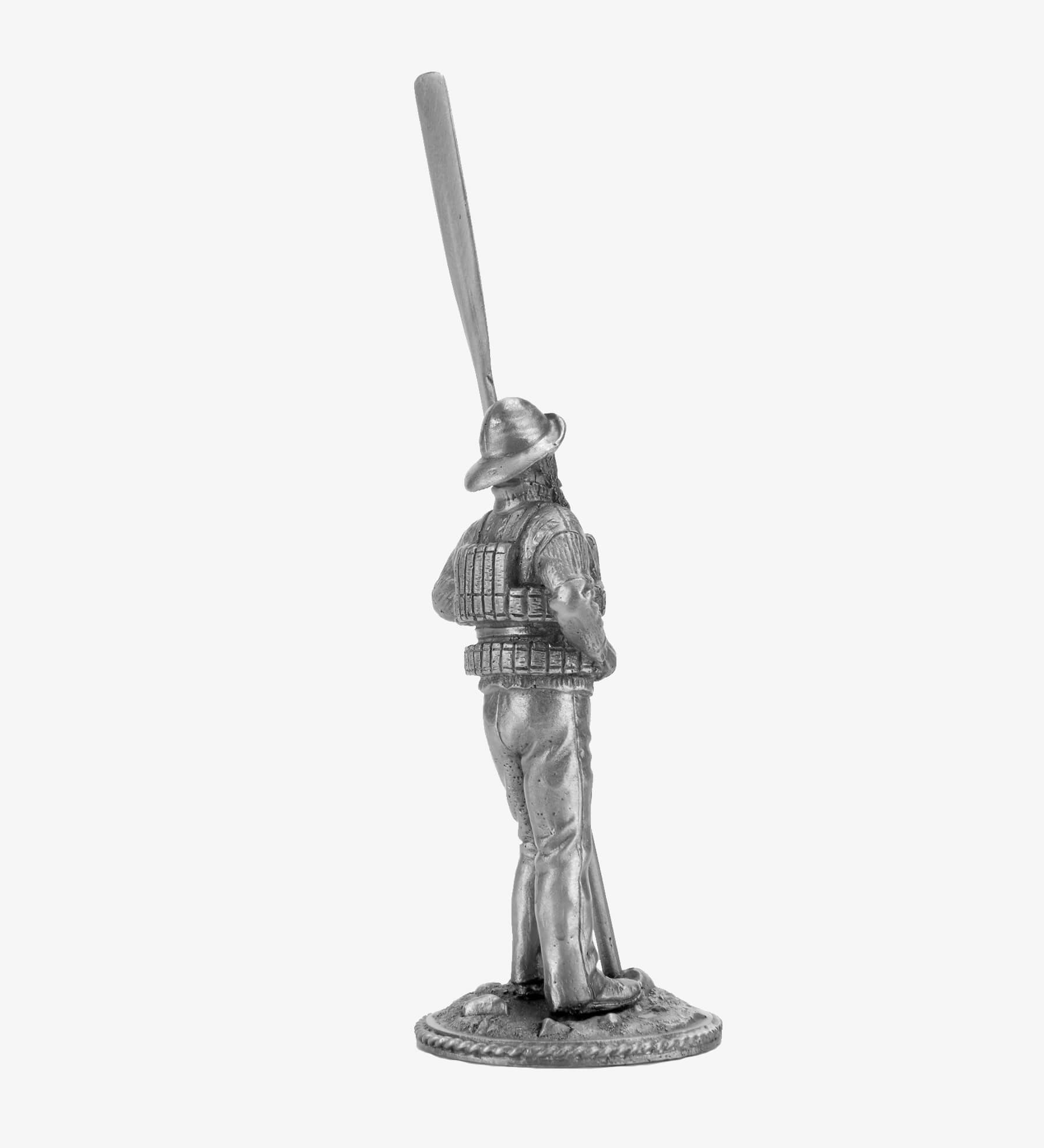
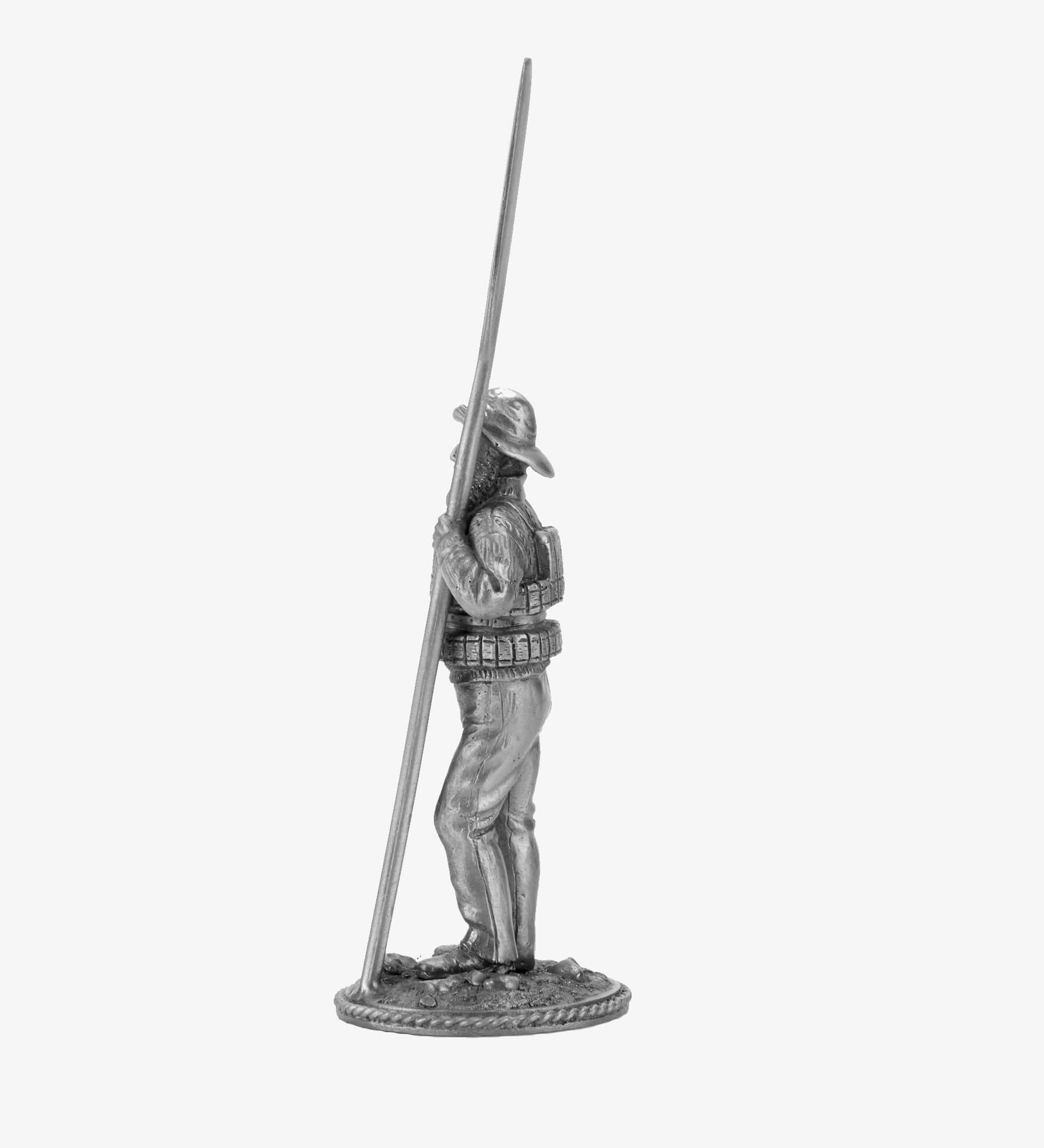
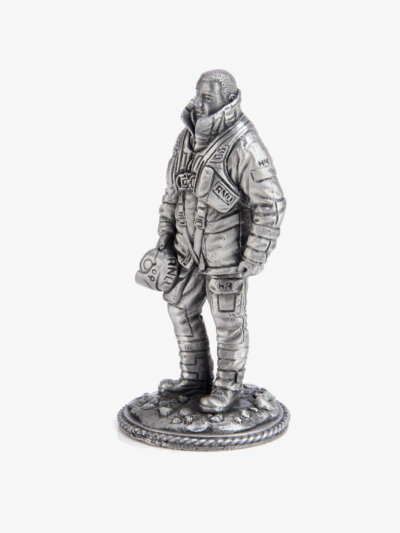
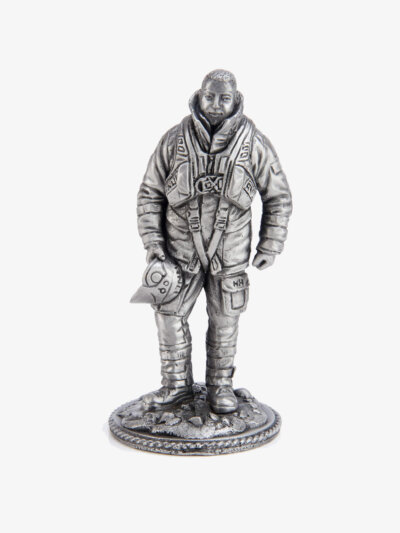
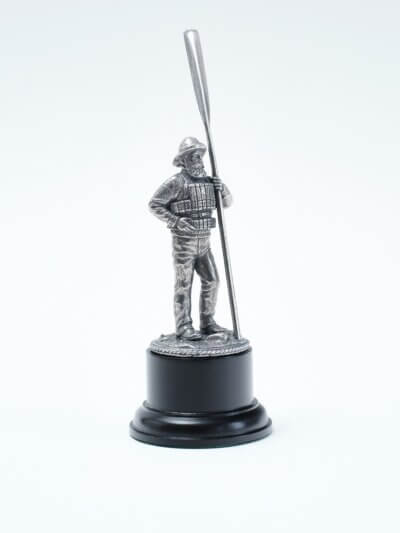
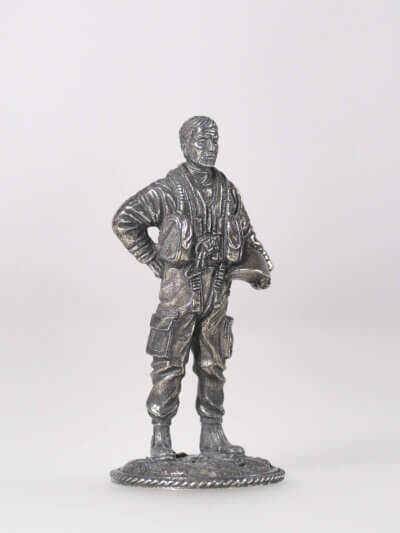
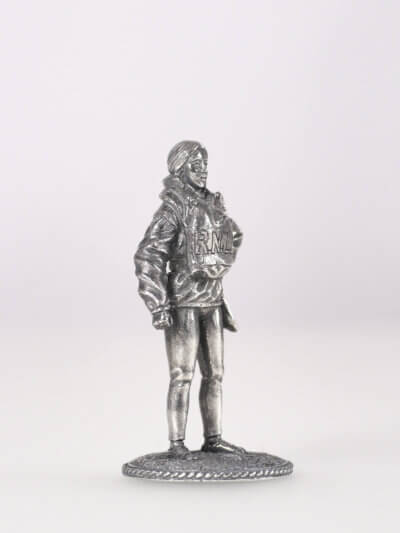
The First Lifejacket 1854 Lifeboat Model Collectable Figurine accurately details the original cork lifejackets and equipment used by some of the earliest crews in the RNLI…
Early lifesavers typically wore lifebelts filled with ballast. But in 1854, RNLI Inspector Captain Ward invented the RNLI’s first lifejacket by sewing strips of cork onto a canvas vest. It caught on fully in 1861 after the Whitby lifeboat disaster, when the lifeboat capsized and Henry Freeman emerged as the sole survivor. He was the only crew member wearing Ward’s invention.
Ward’s Lifejacket used narrow strips of common circular cork, when fitted together, were sewn into a canvas vest. Each lifejacket was bulky, holding a buoyancy of 25lbs each.
But they floated well, were hard-wearing and, most importantly, crew members liked them. The lifejackets were created in two different sizes to fit the builds of the lifeboat crew and were large enough to be passed over a casualty’s head and shoulders easily.
9th February 1861 Whitby lifeboat disaster
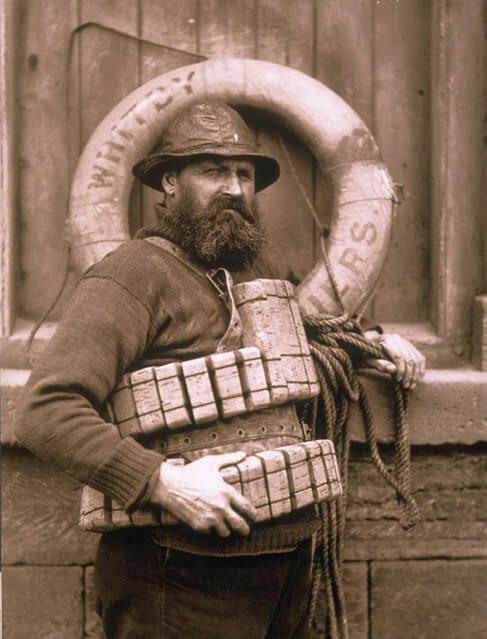
On 9th February 1861, a violent storm wrecked more than 200 ships on the east coast. The Whitby lifeboat crew launched five times to rescue stricken vessels, but on their sixth launch, tragedy struck. The Whitby lifeboat capsized, throwing the crew overboard. The sole survivor of this tragedy was Henry Freeman, who survived because he was wearing a new design of cork lifejacket…
The people of Whitby awoke to a terrible gale on the morning of 9 February 1861. By 8.30am, the lifeboat crew had been launched on their first rescue, saving the crew of the John and Ann.
By 10am, they were called out again to assist a schooner The Gamma of Newcastle, who was driven aground about 300 to 400 yards from the pier. The Lifeboat crew rowed out for the vessel and came back to a glass of grog.
At 11.30am, The Clara of Memel was seen heading for shore, close to the wreck of the Gamma. The lifeboat crew rowed out to rescue the crew, and the ship broke up shortly after they left the scene. Again the rescue party came back, placed the Lifeboat onto its carriage and took a glass of grog.
Two more vessels were spotted being driven aground. Once more, the lifeboat crew rowed out to save both crews. Spectators began to gather onshore to cheer the lifeboat crew. They returned at midday and took their third glass of grog.
By 2pm, the violent gales were still at full force. Harbourmaster Mr Tose and Coxswain John Storr decided that if more vessels came in, they would not respond – the lifeboat would be of little use at a high tide and it was considered the Lifeboatmen had done as much as anyone could have expected that day already. Shortly afterwards though, The Flora and The Merchant were spotted in distress. The Flora successfully made landfall in the harbour, but The Merchant ran aground.
Although they’d agreed not to respond, the Whitby lifeboat crew couldn’t stand by and watch The Merchant sink. As they manoeuvred towards the stricken collier, a powerful wave caught the stern of the lifeboat, capsizing it and throwing the crew overboard.
The crowd watched helplessly from shore as the crew struggled in the fierce sea. Although John Storr (Coxswain) managed to climb onto the overturned boat he was exhausted and “was obliged to yield and perished”. One bystander could not watch from the shore and tied a rope to himself and stepped into the water to try to save those struggling but he was unable to reach anyone and would have also died if the rope had not been pulled in.
Eventually the stricken lifeboat was driven onto the shore. Tragically, all but one of the crew drowned. The sole survivor was Henry Freeman, who was on his first call out with the lifeboat. His life was saved by the new design of cork lifejacket he wore, invented by Captain Ward, donated by the RNLI to the Whitby Lifeboat station.
The cork lifejacket had been met with some resistance by the crews, who preferred their tried and trusted belts filled with ballast. Had they been wearing cork lifejackets on this day, it’s likely they would have survived.
Remembering those lost on 9th February 1861
– John Storr : The Coxswain who left a widow and 1 child
– John Dixon : Who left a widow and 8 children
– Robert Leadley : Who left a widow and 7 children
– Robert Harland : Who left a widow and 6 children
– William Walker : Who left a widow and 5 children
– Isaac Dobson : Who left a widow and 6 children
– John Philpot : Who left a widow and 5 children
– William Storr : Who was bringing up 3 children since his wife died
– William Tyreman : Who left a widow and 2 children
– Matthew Leadley : Who left a widow and 2 children
– George Martin : Who left a widow and a 1 month old baby
– Christopher Collins : Who was single
[ References: Wikipedia Image Source: Wikimedia Commons ]



Neil M –
high-quality piece
GregP –
This model is amazing! So detailed. Happy with purchase